


Finger injuries are common, especially for people active in sports or hands-on jobs. One type of injury that often gets overlooked is soft tissue mallet finger. This condition can lead to pain, swelling, weakness, and a strange nerve itch sensation that bothers many patients.
In this article, we explain what soft tissue mallet finger is, why nerve itch happens, and how you can find real relief. We also highlight how Dermeleve can help soothe uncomfortable symptoms during recovery.

What Is Soft Tissue Mallet Finger
Soft tissue mallet finger happens when the tendon that straightens the end joint of a finger is stretched or torn. This usually occurs when something hits the tip of your finger. A ball, tool, or object can force the fingertip down suddenly. The tendon can no longer pull the last joint straight, leaving the tip drooping.
Common Causes
-
Sports injuries, such as catching a ball wrong
-
Finger jamming during everyday activity
-
Falls that impact fingertips
-
Heavy tools or objects hitting the finger
Why It Matters
When the tendon is damaged, the finger cannot fully straighten. The body reacts with inflammation. Nearby nerves may become irritated, leading to pain and an unusual itch. This nerve itch is often underdiagnosed, but it can make recovery uncomfortable.
Who Gets It
Soft tissue mallet finger can happen to anyone. It is most common in:
-
Athletes in basketball, volleyball, and baseball
-
People who grip tools or heavy materials
-
Workers at construction or manual labor jobs
-
Anyone who accidentally jams a fingertip

Signs and Symptoms to Watch For
Recognizing soft tissue mallet finger early helps with recovery. Symptoms can vary based on injury severity. Here are the common signs.
Physical Signs
-
The fingertip droops and won’t straighten fully
-
Pain and tenderness at the injured joint
-
Swelling or mild redness around the fingertip
-
Difficulty gripping small objects
Nerve-Related Sensations
Some people report a nerve itch sensation. This can feel like:
-
A tingling or crawling under the skin
-
A burning or prickly feeling near the injury
-
Itch that increases at rest or at night
-
Sensitivity when touching the injured area
This nerve itch happens because inflammation puts pressure on small nerve endings. The nerves send mixed signals, leading to an itch rather than pain.
When to Seek Medical Care
See a doctor if:
-
You cannot straighten the fingertip at all
-
The finger looks deformed
-
Severe pain or numbness develops
-
Symptoms worsen after a couple of days
How Soft Tissue Mallet Finger Is Diagnosed
Doctors diagnose mallet finger through a physical exam and sometimes imaging. Here is what to expect.
Physical Examination
A healthcare provider will:
-
Look at finger alignment
-
Test your ability to straighten the fingertip
-
Press around the joint to check for tenderness
Imaging Tests
An X-ray may be ordered. This helps rule out bone fractures. Soft tissue injuries may not show on X-rays, but bone involvement can change treatment.
Nerve Assessment
If the itching or tingling is strong, your doctor may check nerve function. This ensures there are no nerve compressions or other injuries.

Treatment Options for Soft Tissue Mallet Finger
Most soft tissue mallet finger injuries heal without surgery. The goal is to allow the tendon to rest and reattach. Here are the main approaches.
Splinting
A splint is the most common treatment. You wear it to keep the fingertip straight. This allows the tendon to heal.
-
Usually worn for 6–8 weeks
-
Must stay on even during bathing
-
Helps reduce swelling and nerve irritation
Ice and Rest
Early on, ice can decrease swelling. Rest gives your body time to start healing.
-
Apply ice for 15–20 minutes
-
Multiple times per day
-
Avoid heavy use of the injured finger
Pain and Inflammation Relief
Over-the-counter pain relievers can help. Always follow directions and talk to a doctor if unsure.
When Surgery Is Needed
Most soft tissue cases do not require surgery. Surgery may be recommended if:
-
There is a large bone fragment involved
-
The finger cannot be aligned with a splint
-
Healing does not progress after weeks of splinting
Nerve Itch Relief and Skin Comfort
The nerve itch that comes with mallet finger can be distracting. In addition to medical treatment, soothing the skin around the injury helps with comfort and healing.
Why Nerve Itch Happens
When tendons and soft tissues are inflamed, nearby nerves become irritated. Swelling can press on nerve endings and cause itch, tingling, or burning sensations. The itch may appear even when the skin looks normal.
Gentle Care Tips
Keep the skin around the splint clean and moisturized. Dry, cracked, or irritated skin can make the itch worse. Here’s how to care for it:
-
Gently clean the area daily
-
Pat dry, do not rub
-
Keep the skin moisturized

How Dermeleve Helps with Discomfort
Dermeleve is a soothing cream designed to calm irritated, itchy skin. It can be a helpful addition to your recovery routine. Using Dermeleve makes managing itch and dryness easier when you are wearing a splint or resting the injured finger.
Key Benefits
-
Helps calm itch and irritation
-
Moisturizes dry, sensitive skin
-
Supports skin comfort during healing
-
Free from harsh ingredients that can aggravate tender areas
When soft tissue mallet finger causes your skin to feel tight, itchy, or uncomfortable, Dermeleve can provide noticeable relief. It is gentle enough for everyday use and easy to apply around the splinted finger.
Practical Example
If your fingertip feels dry under the splint or you notice an itch around the joint, apply a thin layer of Dermeleve around the edge of the splint area. Be careful not to get the cream under the splint itself. This helps calm the skin without affecting the medical device.
Consistency matters, so use the cream once or twice daily as needed. Many users find that regular hydration improves comfort and makes recovery more tolerable.
Exercises and Recovery Tips
Once your doctor says it is safe, you may start gentle finger exercises. These help restore mobility and strength.
Simple Finger Movements
-
Slowly bend and straighten your finger within comfort limits
-
Do short sets of 5–10 repetitions
-
Avoid forceful movements
Stop if you feel sharp pain. Mild stiffness or discomfort is normal, but pain is not.
Protect the Finger
Even after healing, protect the fingertip during activity. Wear protective gear in sports or during manual work.
Stay Consistent
Healing takes time and patience. Follow your care plan, and don’t rush the process. Splinting and gentle exercises together help the tendon regain function.
Preventing Future Finger Injuries
You cannot avoid all accidents, but taking certain steps can reduce risks.
Warm-Up Before Activity
Before sports or physical tasks:
-
Stretch fingers and hands
-
Do light warm-up movements
-
Avoid sudden, forceful impacts
Use Protective Gear
Gloves, finger guards, or taping techniques can help during high-risk activities.
Learn Proper Techniques
Coaches, trainers, or experienced peers can show safer ways to catch, grip, and handle equipment.
Conclusion and Next Steps
Soft tissue mallet finger can be painful and uncomfortable. The nerve itch that comes with it may distract you from healing. With proper treatment, rest, and gentle care, most people recover without surgery. Recognizing the symptoms early and following a treatment plan helps speed the process and improve comfort.
Skin care matters too. Adding a soothing formula like Dermeleve can relieve itch, hydrate dry skin, and make your recovery more comfortable. If symptoms persist or worsen, consult a healthcare provider.
Next Steps:
-
Get a proper diagnosis from a medical professional
-
Follow recommended splinting and rest guidelines
-
Use Dermeleve to calm itchy, dry skin
-
Start gentle exercises once approved
-
Protect your finger during future activities
For support during your healing journey, good care and the right products make all the difference.
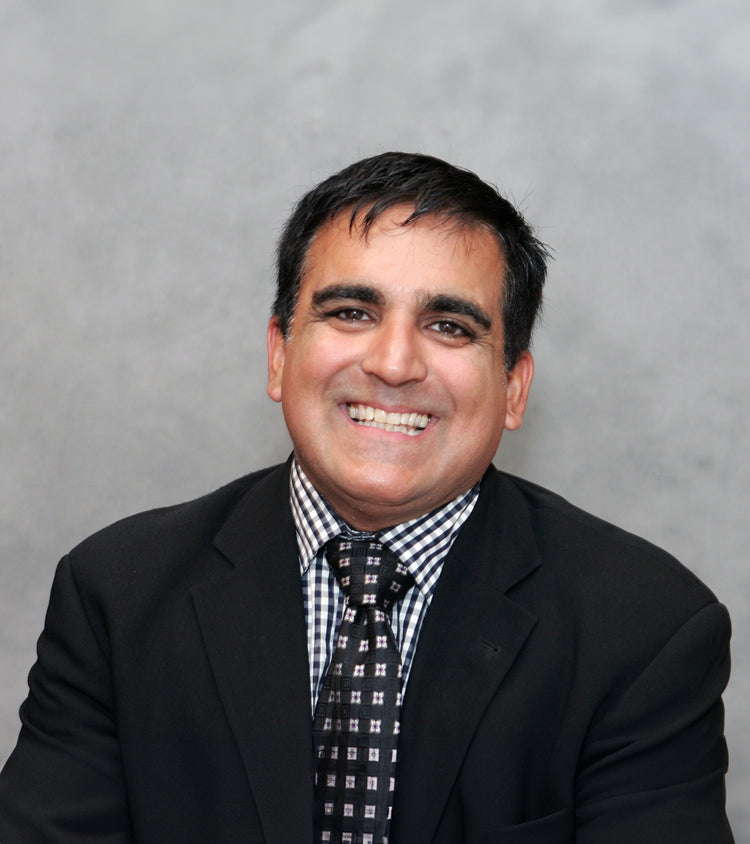
Dr. Neal Bhatia is a board-certified dermatologist based in San Diego, California. He serves as the Director of Clinical Dermatology at Therapeutics Clinical Research and is the Chief Medical Editor for Practical Dermatology. Additionally, he is an Associate Clinical Professor at Harbor-UCLA Medical Center in Los Angeles, CA. With a background in immunology, Dr. Bhatia has a special interest in mechanisms of therapy, skin cancer, and medical dermatology.
Learn more about Dr. Bhatia and our Medical Advisory Board